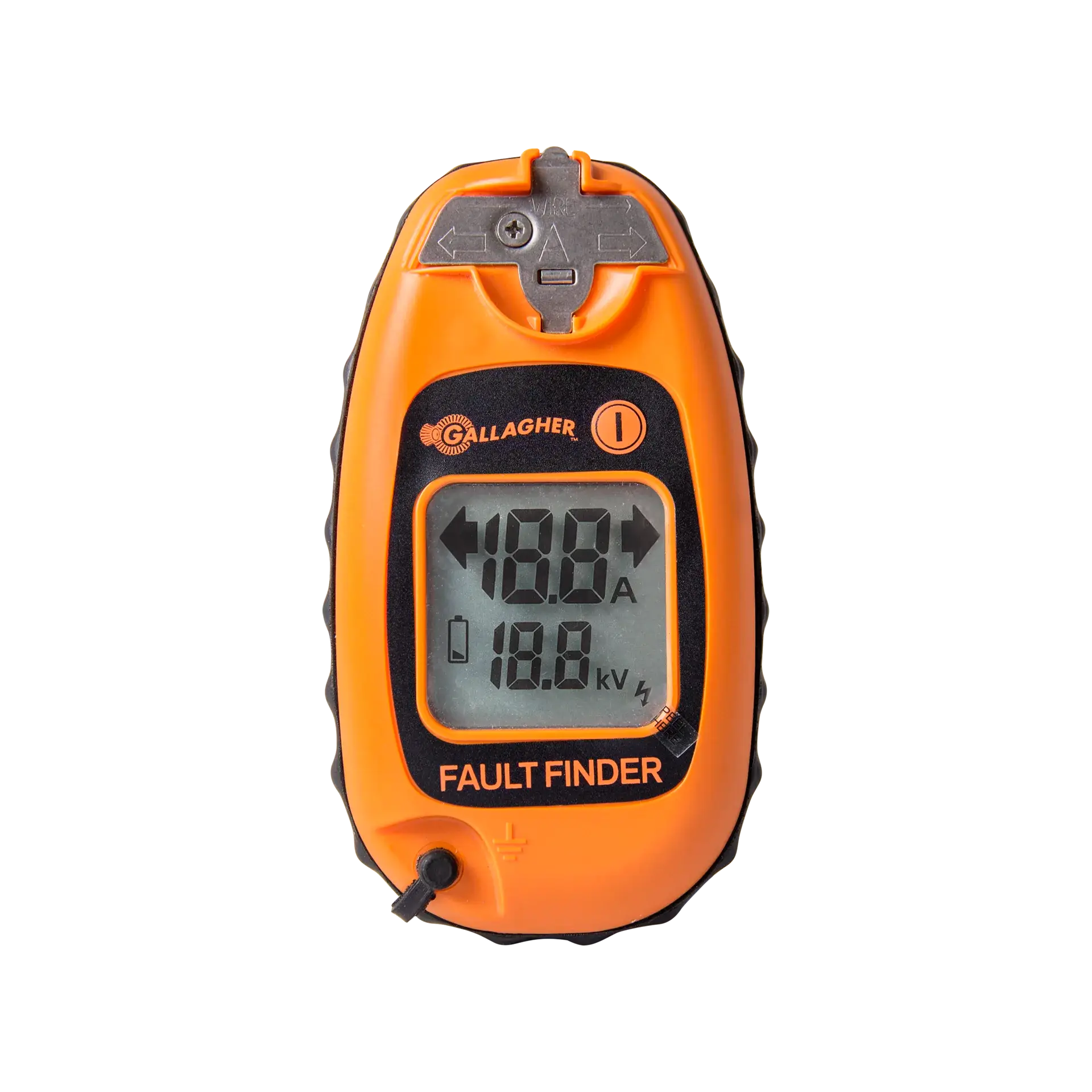
Measuring is knowing. By regularly checking your fence and measuring how much current is actually running through the wire, you’ll avoid any nasty surprises. But which tester do you need? For a quick check, a simple neontester may be sufficient,

Find the latest innovations in animal management, discover practical tips and expert advice for optimal use, and stay up to date with developments in legislation, compatibility and applications. Also check out our advice & inspiration.
Measuring is knowing. By regularly checking your fence and measuring how much current is actually running through the wire, you’ll avoid any nasty surprises. But which tester do you need? For a quick check, a simple neontester may be sufficient,

For many horse owners, wooden fencing is the first choice. It is very easy to add an electric fence to this existing structure. An electric fence makes the fence safer and ensures it lasts longer. Horses tend to gnaw at or rub against wooden fences.

More and more livestock farmers are choosing to replace their existing barbed wire fences with an electric fence. Whether the reason is animal welfare or an ageing fence, there are various options for making the switch.

In Europe, there are many pastures that lie outside the reach of mains power. In such cases, farmers have to rely on alternative solutions to provide the fence with sufficient voltage.

01/07/2026
In recent years, the wolf has made a comeback in Europe. In many areas, this is causing concern among farmers and the general public. There is also growing attention in European politics to the impact of the wolf on agriculture and the environment.

Horses have different requirements for a fence than other animal species. Horses are large, powerful animals with a strong flight instinct. In stressful situations, they react instinctively and with great force.

Damage caused by wildlife is a recurring problem for an increasing number of both livestock and arable farmers. The risk of damage to crops and farmland increases as crops develop.

14/05/2026
An electric fence seems simple: as long as there is voltage on the wire, the animals stay in the field. In practice, however, it is harder to tell whether the fence is working properly before the animals have escaped.

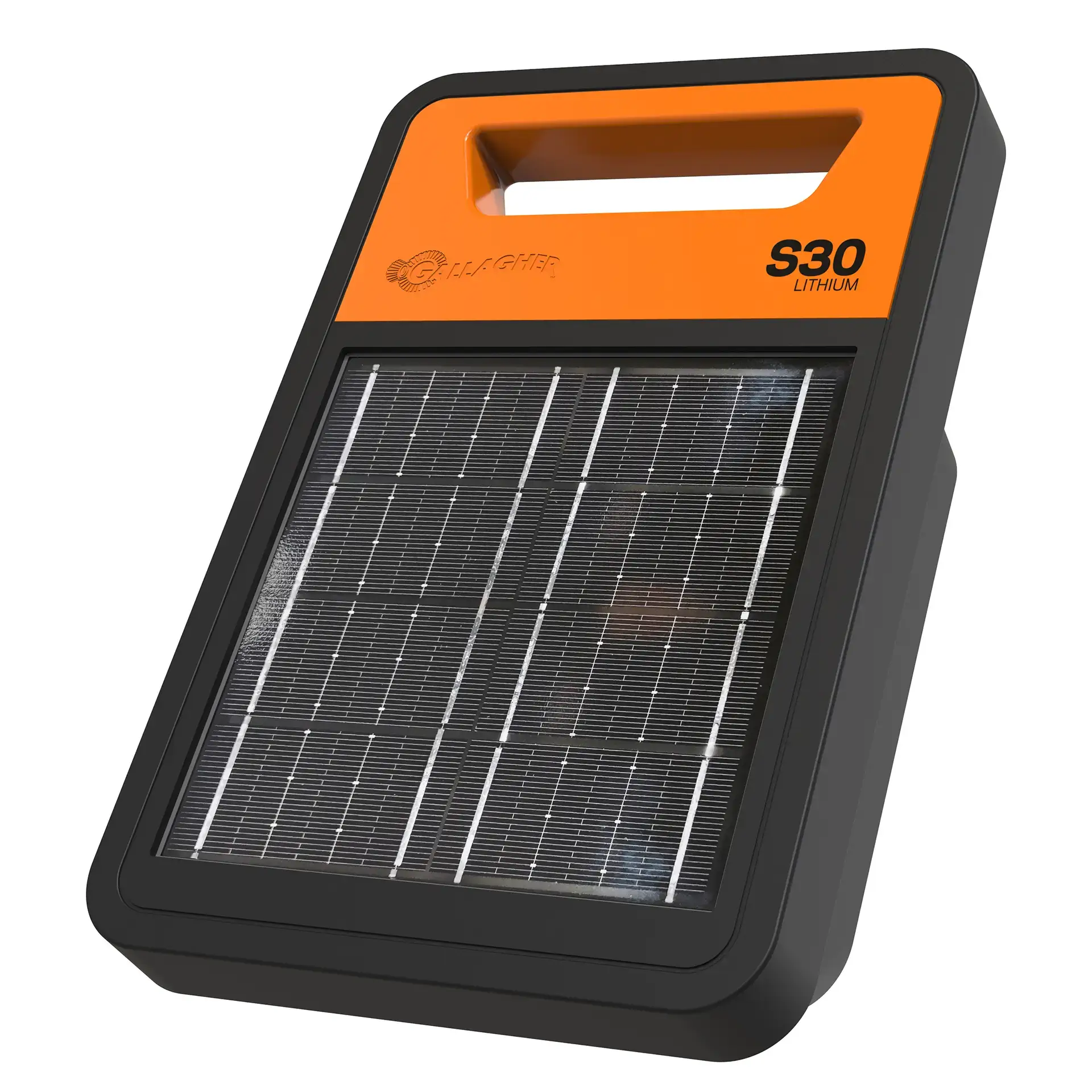
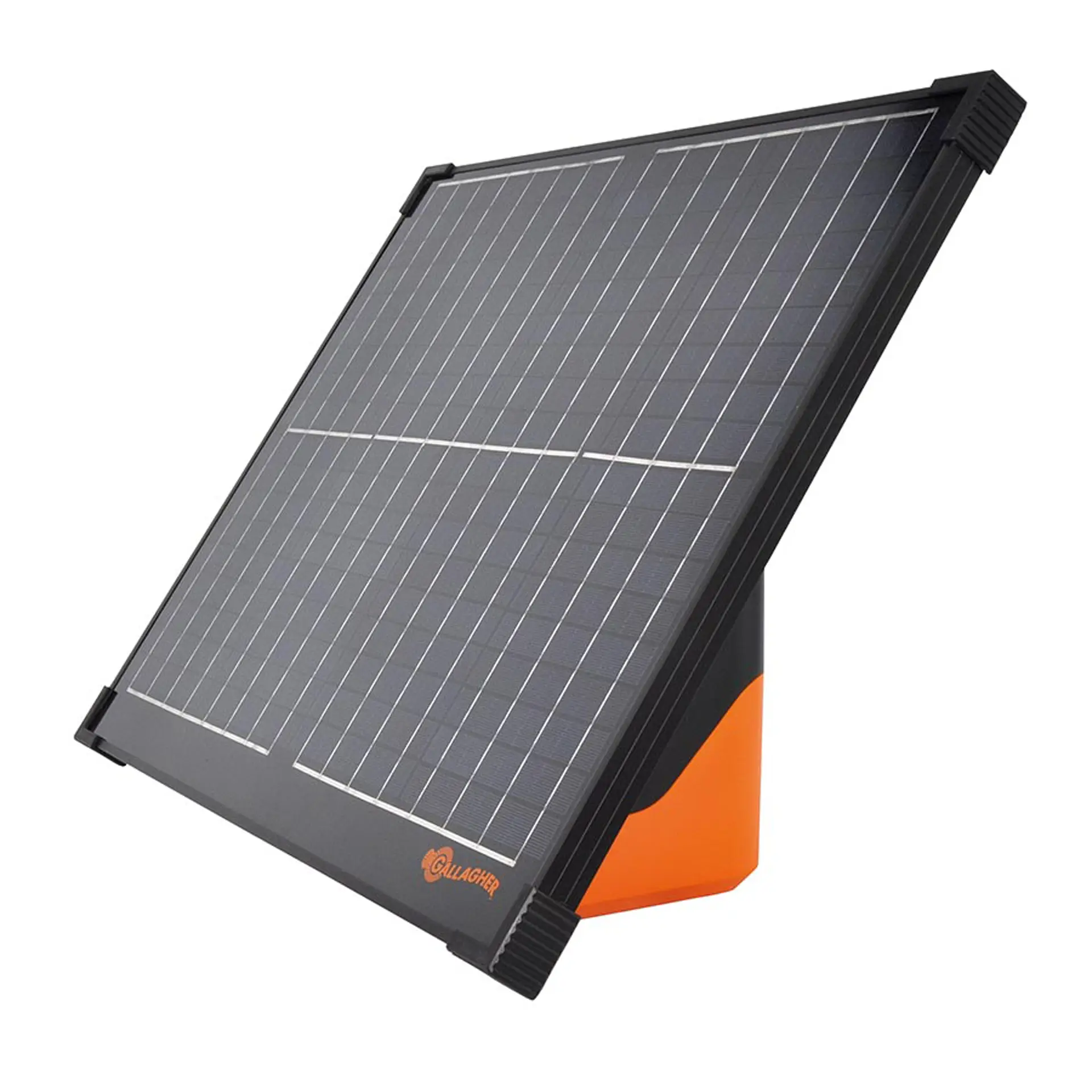
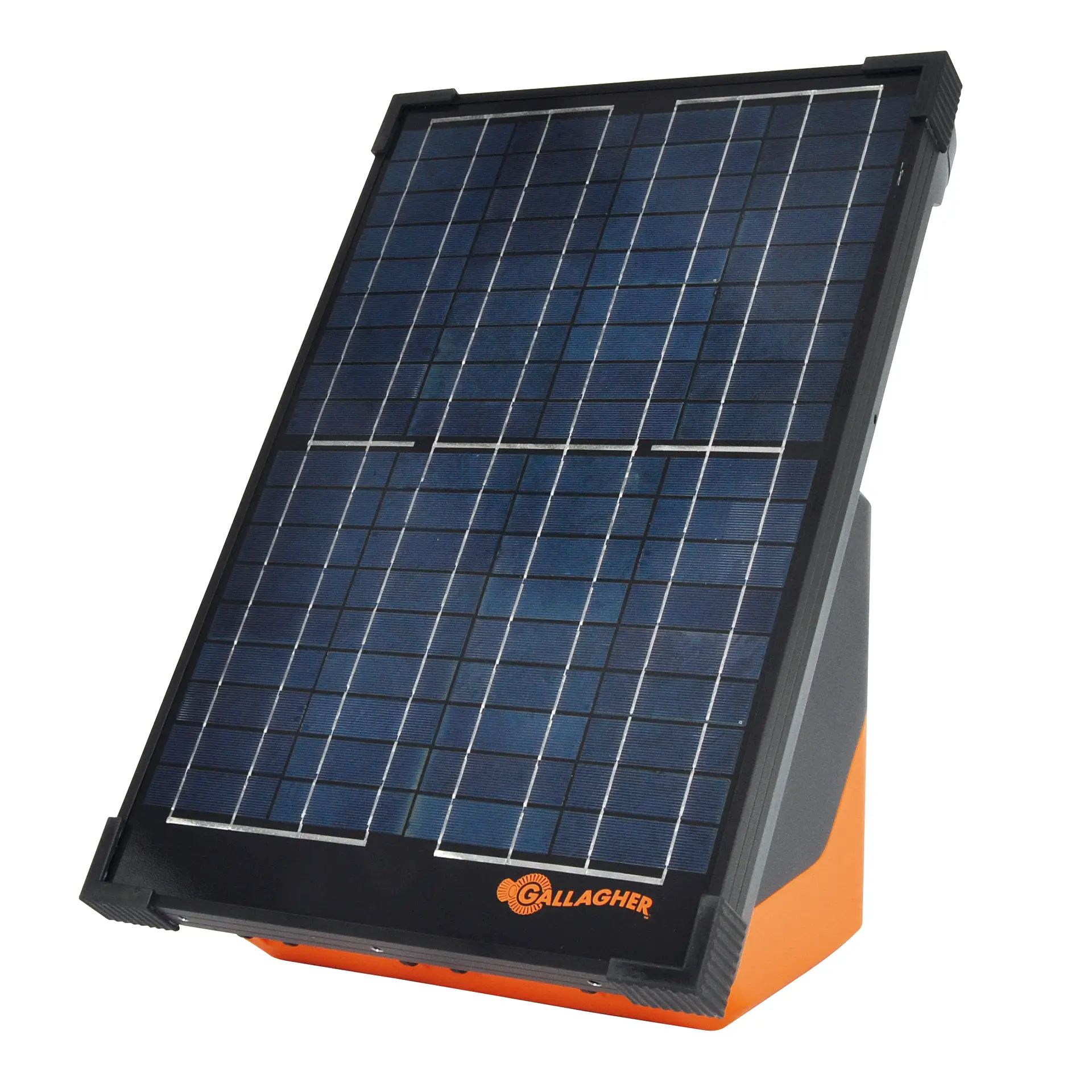
Solar-powered energisers are becoming increasingly common these days. In the past, farmers typically relied on energisers powered by heavy 12V batteries or 9V batteries. Now, however, a wide range of solar-powered alternatives are available.

The moment young animals go outside for the first time is always special. For foals, calves and lambs, it means freedom, space and new stimuli. Because these animals have no experience of being out in the field, extra care is needed when preparing them. A

The specifications for energisers often feature impressive figures: 8,000 volts, 10,000 volts or sometimes even more. Many people automatically assume that the higher the voltage, the more powerful the device. Unfortunately, this is not the case. The volt

Wild animals such as wolves, wild boars and foxes are increasingly posing a challenge for farmers and livestock owners. They can damage crops, spread disease and pose a threat to animals in the pasture. A standard fence is often not enough to prevent this

Content: 500 meter (€0.40 / 1 meter)

Content: 500 meter (€0.40 / 1 meter)

Content: 350 meter (€0.51 / 1 meter)